To those who have been with us since our inception in 2009, as well as to those who are just joining us now for the first time, here’s a brief summary of what we at 2GreenEnergy are all about. We offer:
I suppose there are people who believe that the radical left is on a path to make Christianity illegal, and perhaps to install Islam as the official religion of the United States. This is remarkable for two reasons:
a) Every schoolchild in America learns about the First Amendment’s guarantee of freedom of religion at a very young age, and
b) This country made it successfully though 250 years with no one being ignorant enough to bring up this ridiculous concern.
One would hope that this figure of near 60% would indirectly translate into Trump’s ouster before he can take full control of the U.S. government.
We vote Trump’s stooges out of office in November and replace them people of honor. Trump is impeached, convicted and removed. From there, justice takes its course.
There are people who believe that our national problems stem from Hillary Clinton (never president) and Barack Obama (twice president and ranked #7 by historians).
On average, I meet perhaps 50 K-12 teachers each year, and I often ask them: What is the biggest challenge you face that impacts your ability to connect with and educate your students?
Here’s a rough tabulation:
Screen time, how it robs kids of their ability to pay attention, impedes social interaction, and makes parenting more difficult: 80%
Everything else combined: 20%
Maybe this is a cynical viewpoint, but it seems like that world of today revolves around the mega-corporations profiting by punishing their customers.
In this case, we have the tech giants ruining the lives of our children. Elsewhere, we have healthcare industry driving people into bankruptcy, Big Oil ruining our planet, the gun lobby murdering our kids, and, of course, an ultra-corrupt government looting our treasury to pay off billionaire donors.
Note that this wasn’t the case when we boomers were growing up 60 years ago. This is a distinctive shift from the 1960s when corporate America was focused on things like color TVs and the Ford Mustang.
Just when we think there is a bottom, the United States sinks just a bit lower. It’s our brand nowadays.
That’s quite a left cross this thug delivered to this helpless female protestor.
It wasn’t too long ago that beating up women was taboo in America. My 11-year-old, sixth-grade son saw a male classmate of his badly bruise a girl by pushing her hard down to the ground–and proceeded to punch him in the mouth. A fellow father witnessed the scene and told me, “Your son’s fist was in that kid’s teeth within a fraction of a second.”
I had brought him up to avoid violence and to seek peaceful resolutions to conflicts, but I couldn’t fault him here.
We’re starting to see intimations that stupidity like this is generated and posted by Russian data centers so as to appeal to MAGA idiots and favor the Republicans in the upcoming midterms.
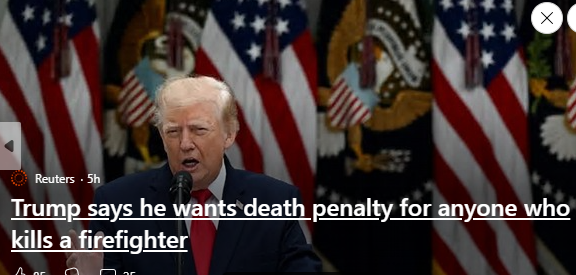
Most Americans see our nation falling apart. Massive corruption, asinine economic policies, silly, illegal wars, horrific financial conditions for the common citizen, and a criminally insane president.
Now, should those who kill firefighters (is this a thing?) receive a life prison sentence or the death penalty? Now that’ssomething worth taking about.
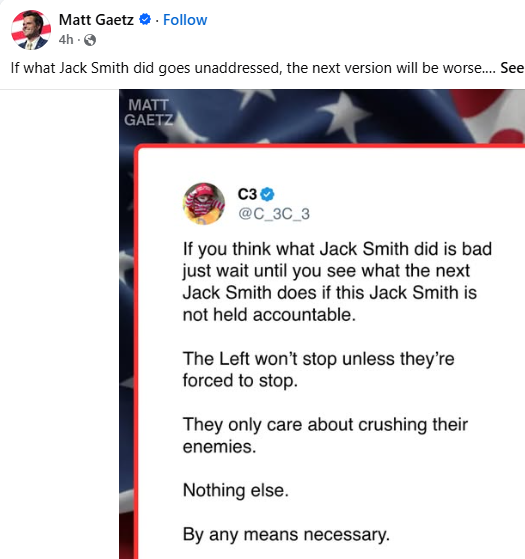
If I were sex criminal Matt Gaetz, this is exactly what I’d be flooding out on social media. But will it work?
What do clear-thinking Americans find more likely? a) Jack Smith hates Republicans and America too, or b) Jack Smith has spent his entire adult life honestly prosecuting the most high-level criminals domestically and abroad?


 To those who have been with us since our inception in 2009, as well as to those who are just joining us now for the first time, here’s a brief summary of what we at 2GreenEnergy are all about. We offer:
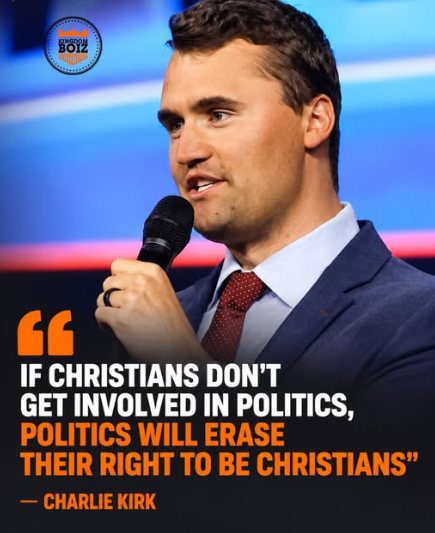 I suppose there are people who believe that the radical left is on a path to make Christianity illegal, and perhaps to install Islam as the official religion of the United States. This is remarkable for two reasons:
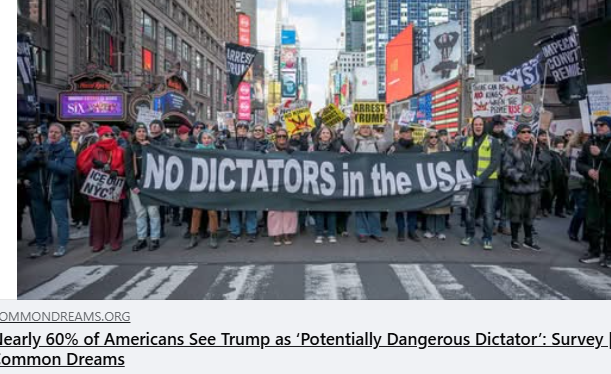 One would hope that this figure of near 60% would indirectly translate into Trump’s ouster before he can take full control of the U.S. government.
 There are people who believe that our national problems stem from Hillary Clinton (never president) and Barack Obama (twice president and ranked #7 by historians).
 Have you ever wondered why every dictator in human history follows the exact same playbook? Check this out
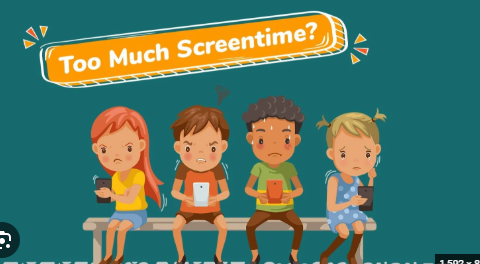 On average, I meet perhaps 50 K-12 teachers each year, and I often ask them: What is the biggest challenge you face that impacts your ability to connect with and educate your students?
 Just when we think there is a bottom, the United States sinks just a bit lower. It’s our brand nowadays.
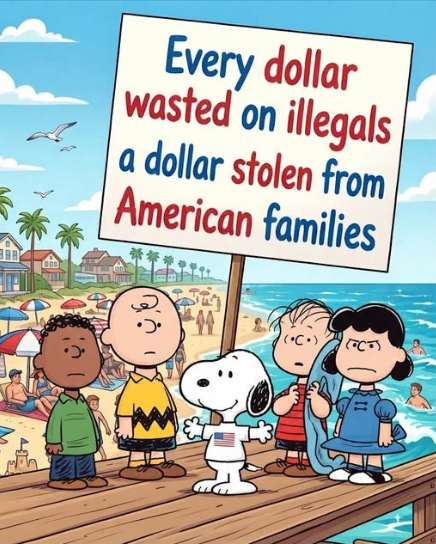 We’re starting to see intimations that stupidity like this is generated and posted by Russian data centers so as to appeal to MAGA idiots and favor the Republicans in the upcoming midterms.
 Every day, we come across articles that summarize Trump’s “accomplishments.”
 Most Americans see our nation falling apart. Massive corruption, asinine economic policies, silly, illegal wars, horrific financial conditions for the common citizen, and a criminally insane president.
 If I were sex criminal Matt Gaetz, this is exactly what I’d be flooding out on social media. But will it work?


